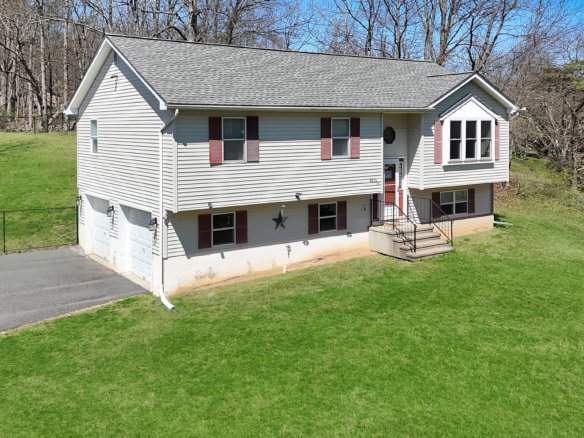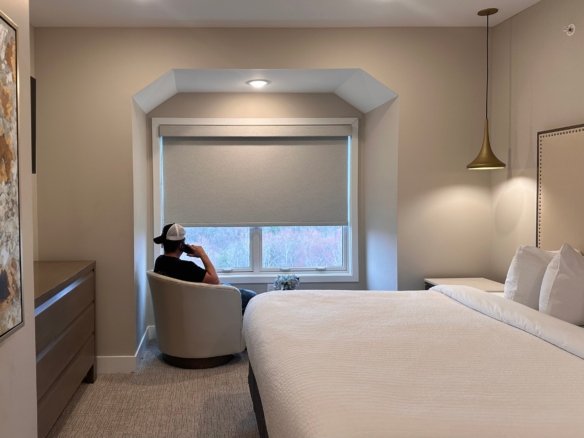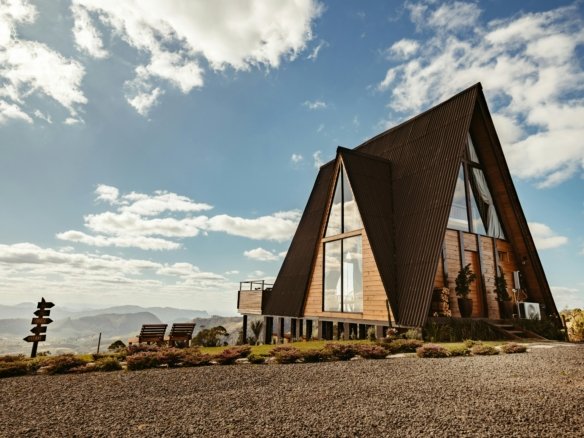
Short-term rentals can be a great investment in the Pocono Mountains, but success starts with understanding the rules, responsibilities, and community expectations that come with owning one. Whether you’re considering purchasing a property for short-term use or already own one, taking the right steps before and after purchase can help you avoid costly mistakes and be a good neighbor.
Below is a practical guide to navigating short-term rentals in the Poconos — from due diligence to permits, taxes, and responsible ownership.
Before Buying a Short-Term Rental Property
Before making an offer, it’s critical to confirm that short-term renting is actually allowed and financially viable for the specific property you’re considering.
1. Do Your Due Diligence Early
Not all properties can be legally used as short-term rentals. Rules vary widely by township, municipality, and HOA.
Key questions to research:
Is short-term renting permitted by the township?
Is the property part of an HOA, POA, or community association?
Are there registration requirements or annual fees?
Are there limits on:
Number of occupants?
Day guests?
Vehicles per property?
If the property is within an HOA, obtain and review the governing documents carefully. Some associations require approval or presentations before rentals are allowed, while others prohibit them altogether.
2. Confirm the Property Meets Local Code Requirements
Even if rentals are allowed, the property must comply with local ordinances.
This often includes:
Parking restrictions (no parking on grass or roadways)
Septic capacity requirements
Safety inspections
Permits for features such as hot tubs, decks, or finished basements
Understanding these requirements ahead of time can save thousands in unexpected upgrades.
3. Evaluate the Financials
Rental performance varies by neighborhood and community. Before buying, review short-term rental data for the area using reliable analytics platforms.
This helps you understand:
Average nightly rates
Seasonal demand
Occupancy trends
Comparable rental performance
Solid data ensures you’re not relying on guesswork when running your numbers.
4. Line Up Local Support
Successful short-term rentals depend on dependable local services. Before closing, identify:
Cleaning services
Landscaping and snow removal
General maintenance or handyman support
Trash and recycling providers
It’s also a good idea to introduce yourself to neighbors and share a contact number — proactive communication goes a long way.
After You Purchase: Required Steps to Operate Legally
Once you own the property, there are several steps you’ll need to complete before accepting your first booking.
1. Obtain a Township Short-Term Rental Permit
Most Pocono townships require a short-term rental permit, often issued annually. Applications are typically available through the township’s website and may include inspections.
2. Register for Required Tax Certificates
Short-term rentals in Pennsylvania are subject to multiple taxes.
You may need to register for:
A Pennsylvania Department of Revenue Use Tax account
A Monroe County Hotel Use Tax certificate
If you hire a property manager, they may handle some of this, but it’s important to confirm what they do — and don’t — manage on your behalf.
3. Notify the HOA or Community Association
If the property is within an HOA or POA, written notification is often required. Some associations also have specific rental rules, registration processes, or guest requirements.
4. Decide How You’ll Manage the Property
Owners typically choose between self-managing or hiring a professional property manager.
If self-managing, consider:
Which platforms you’ll list on (Airbnb, VRBO, etc.)
Guest communication systems
Emergency response plans
Cleaning and turnover coordination
5. Prepare the Home for Guests
Before listing, ensure the property is fully stocked and guest-ready:
Linens and towels
Kitchenware
Locked storage for owner supplies
Clear house rules and instructions
Professional photography is also essential — it’s often the single biggest factor in booking performance.
Being a Responsible Short-Term Rental Owner
Operating a short-term rental isn’t just about compliance — it’s also about being respectful of the surrounding community.
Noise and Quiet Hours
Guests should be informed of local quiet hours, which typically begin between 10:00 or 11:00 PM and extend until 7:00 AM, depending on location. Clear rules help prevent complaints and violations.
Parking Rules
Vehicles should only be parked in designated areas, following any limits set by the township or HOA. Parking passes may be required in some communities.
Fireworks
Even if fireworks are legal at the state level, many Pocono communities prohibit them entirely or restrict their use near structures. Guests should be clearly informed of these rules.
Property Maintenance
Short-term rentals should be kept in good condition, both inside and out. Regular inspections and maintenance help protect your investment and maintain neighborhood standards.
Trash and Recycling
Guests should follow local trash and recycling procedures, including designated pickup days and approved disposal locations. Overflowing or improperly stored trash is one of the most common sources of complaints.
Pets
If pets are allowed, they must be properly supervised, leashed when required, and cleaned up after. Some communities require pet registration or have breed or quantity restrictions.
Final Thoughts
Short-term rentals can be a strong investment in the Poconos when done correctly. The key is understanding local regulations, planning ahead, and operating responsibly once the property is live.
If you’re considering purchasing a short-term rental — or already own one and want to make sure you’re compliant — working with a knowledgeable local real estate professional can make the process significantly smoother.
As a certified Resort & Second-Home Property Specialist (RSPS), we help buyers and owners understand what’s allowed, what to watch for, and how to move forward with confidence.
If you’re thinking about purchasing a short-term rental, already own one, or just have questions about local rules, we’d be happy to help. Reach out anytime — we’re always glad to be a resource.
© 2026 Anchors & Acres Real Estate. All rights reserved.
This content is protected by U.S. copyright law. Unauthorized use, reproduction, scraping, or distribution—whether in whole or in part—is prohibited. We actively monitor for unauthorized use and take appropriate action when necessary.